


Cr. Jan Thijs/Netflix© 2025
Below begins as a horror throwback. It’s not nostalgia bait, but its affinity for character-driven and atmospheric horror mysteries of the past is obvious. Jaws, John Carpenter, and a dash of Stephen King – they’re all in the DNA of the series set in Newfoundland, where Calvin Penney (Josh Hartnett) and his family face off against a sea monster and other mysteries of the sea.
In episode four, titled “The Ocean Will Have Us All,” the show’s hero is stuck in a submarine that screams 20,000 Leagues Under the Sea. Calvin, along with a conservationist and marine biologist, plunges deep into the sea to face the creature up close. Just like it sounds on paper, it’s a brilliant idea.
Everything that can go wrong does go wrong, but Calvin gets eye-to-eye with the creature. In the episode directed by Helen Shaver and written by Karen Walton, new facets of the sea beast are revealed. It’s the monster’s time to shine in “The Ocean Will Have Us All,” and the close-up is not wasted.
It’s a VFX-heavy sequence handled by Mr. X – one of the top visual effects companies in the business, based out of Canada. The sequence was under the eye of VFX supervisor Matt Glover. During a recent interview with What’s on Netflix, Glover gave us a thorough breakdown of how the underwater adventure sequence was accomplished by his company:
“It starts above water with the kind of Jaws barrel sequence where they’re trying to tag it, and you have all that interaction with the water. Even at that point in the story, we’re still seeing her effect on the people and the environment more than we’re seeing her.
And then we get into the eye and all that, which starts from the script and then its storyboards. Mr. X 3D-printed a model. Once we had a design lockdown, we 3D-printed a hard resin version of her that I brought with us to the production office. We’d sit in all of our meetings so that people could get up and start thinking about shots. The prosthetics team took our model file, and they made a silicone posable version.
Helen Shaver, who directed four, is fantastic and storyboarded everything. We had this big Lego ship that stood in for the research vessel, and we had a little submarine on the back, and we were kind of working out the beats of how it could be. It was very interactive. It was kind of like playing with toys, which was great.
We would be updating the budget and keeping everything in line and just making sure that it was all kind of achievable. A big thing, practicality speaking, is Jeff Hill in the art department; he’s the special effects supervisor. They built this rig for the interior of the sub that could gimbal a full 90 degrees. It could go straight up and down, which was amazing, a great feat of engineering. So, our department had built the outside of the set, which was on the deck of the boat.
We shot on a 130-foot-long research vessel in the Atlantic Ocean for 11 days straight or something. You just lived on this boat every day, and the sequence ran right up until Josh and the cast could get inside the sub. It wasn’t finished, you didn’t see that on camera, but they could get inside of what looked like a fully finished sub, which we had scanned and did all of our photo references for.
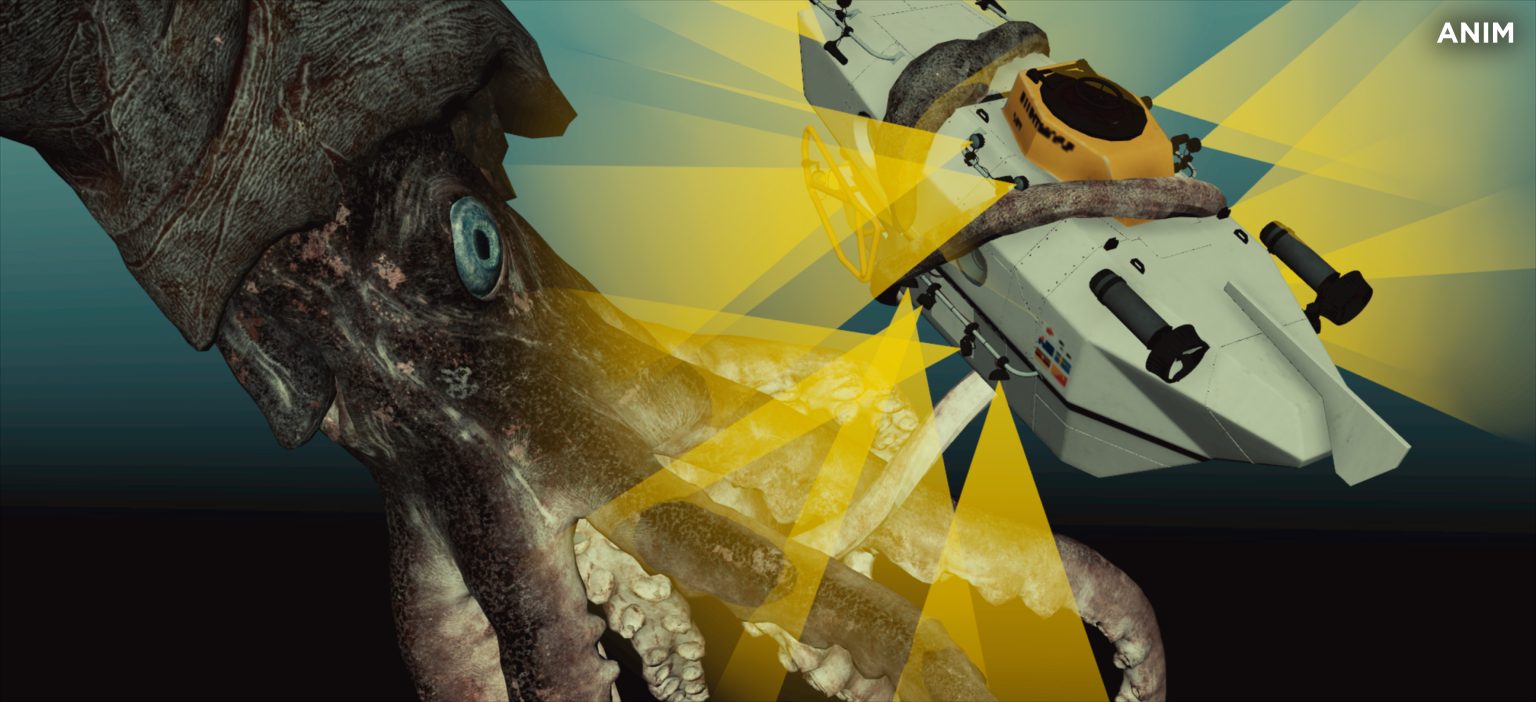
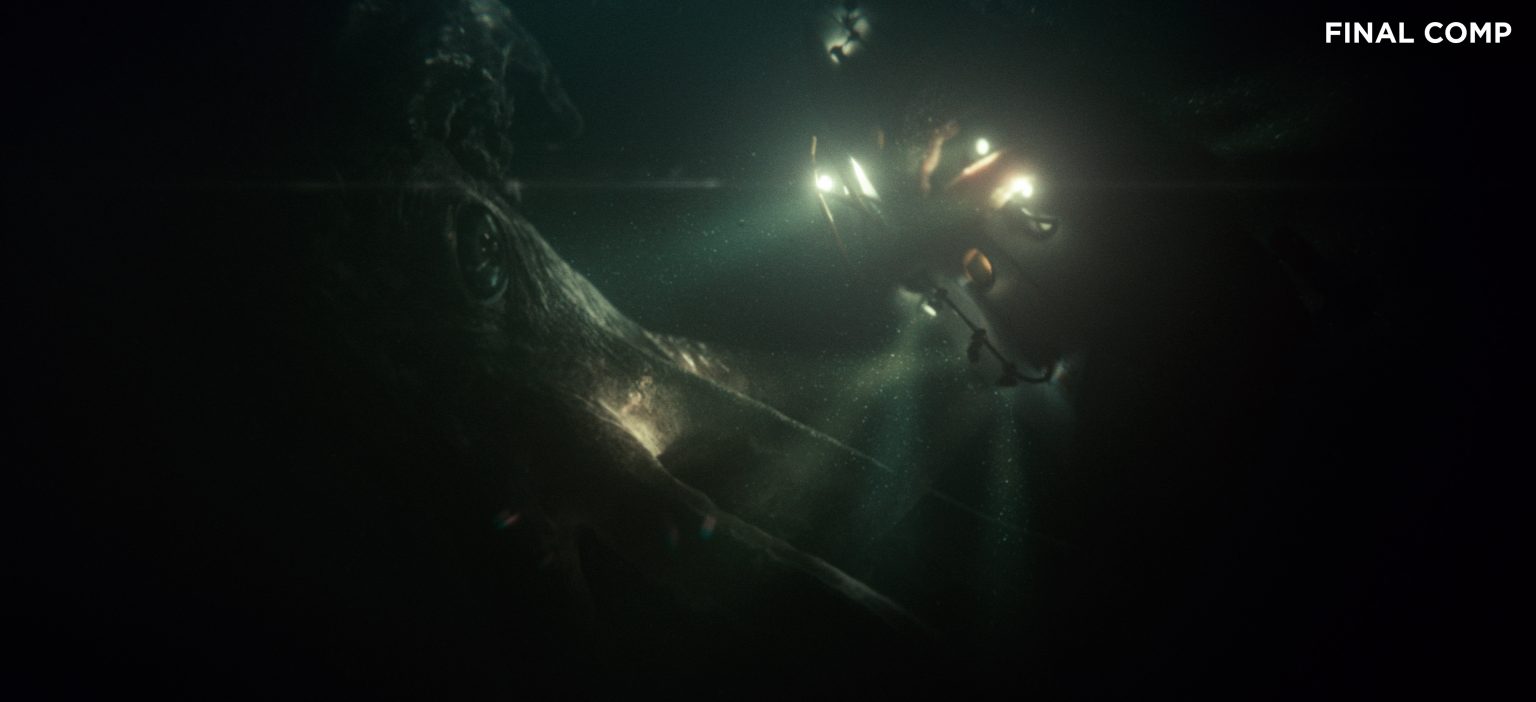
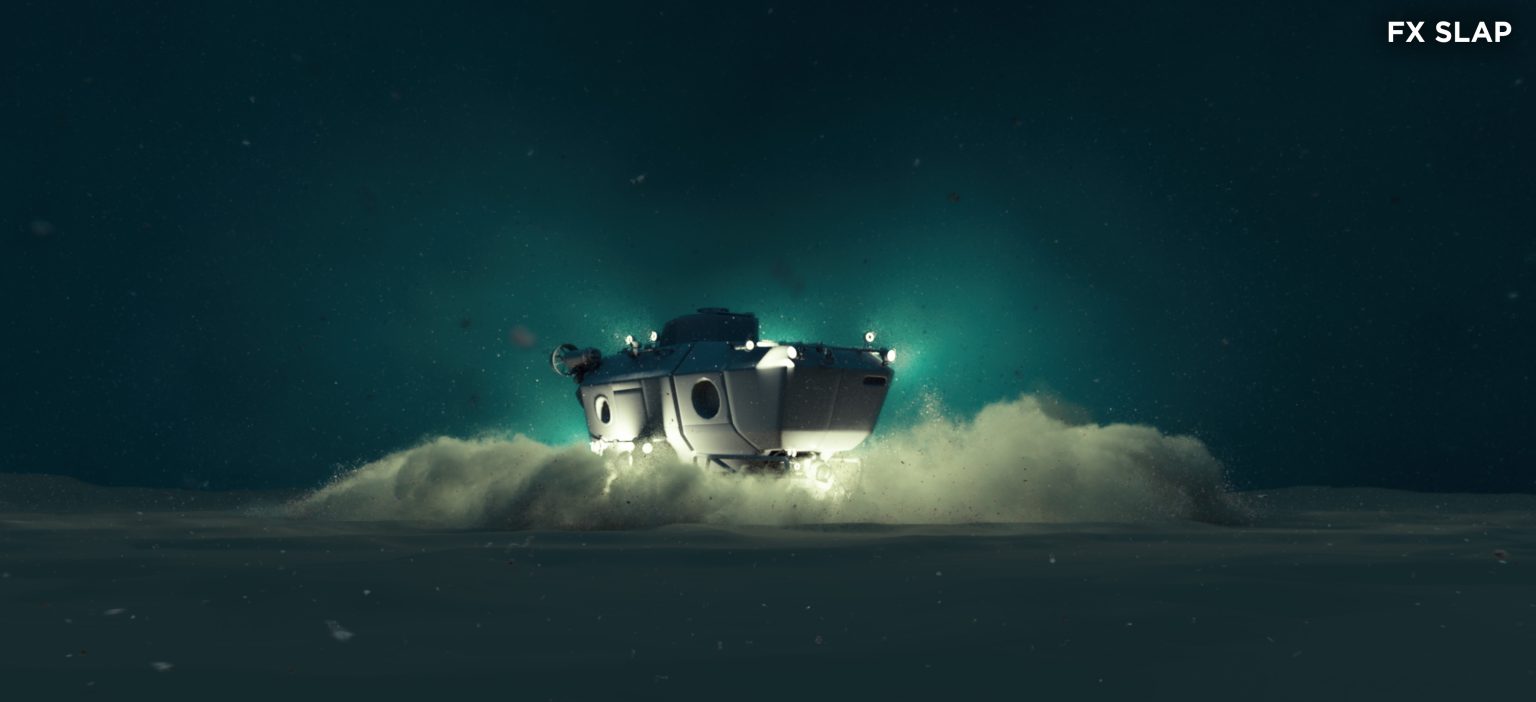
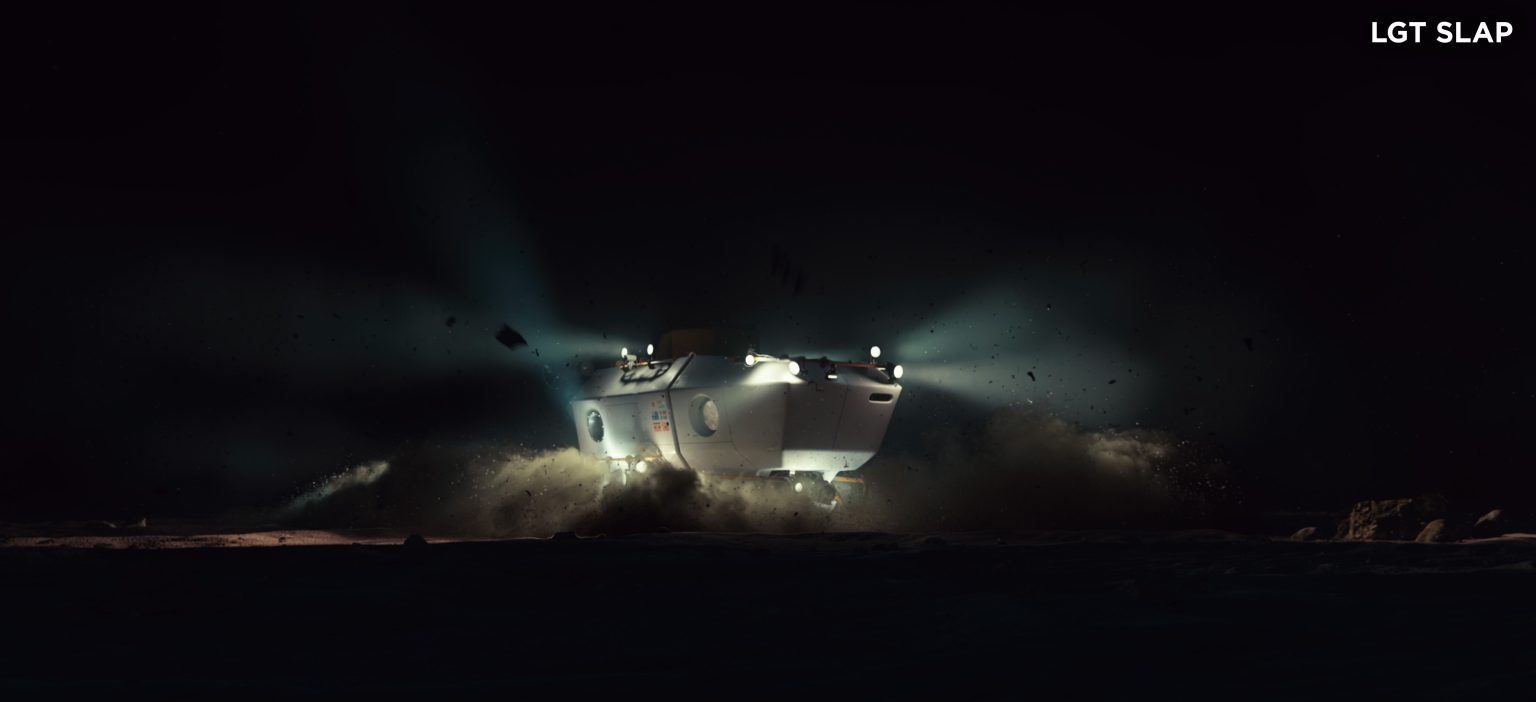
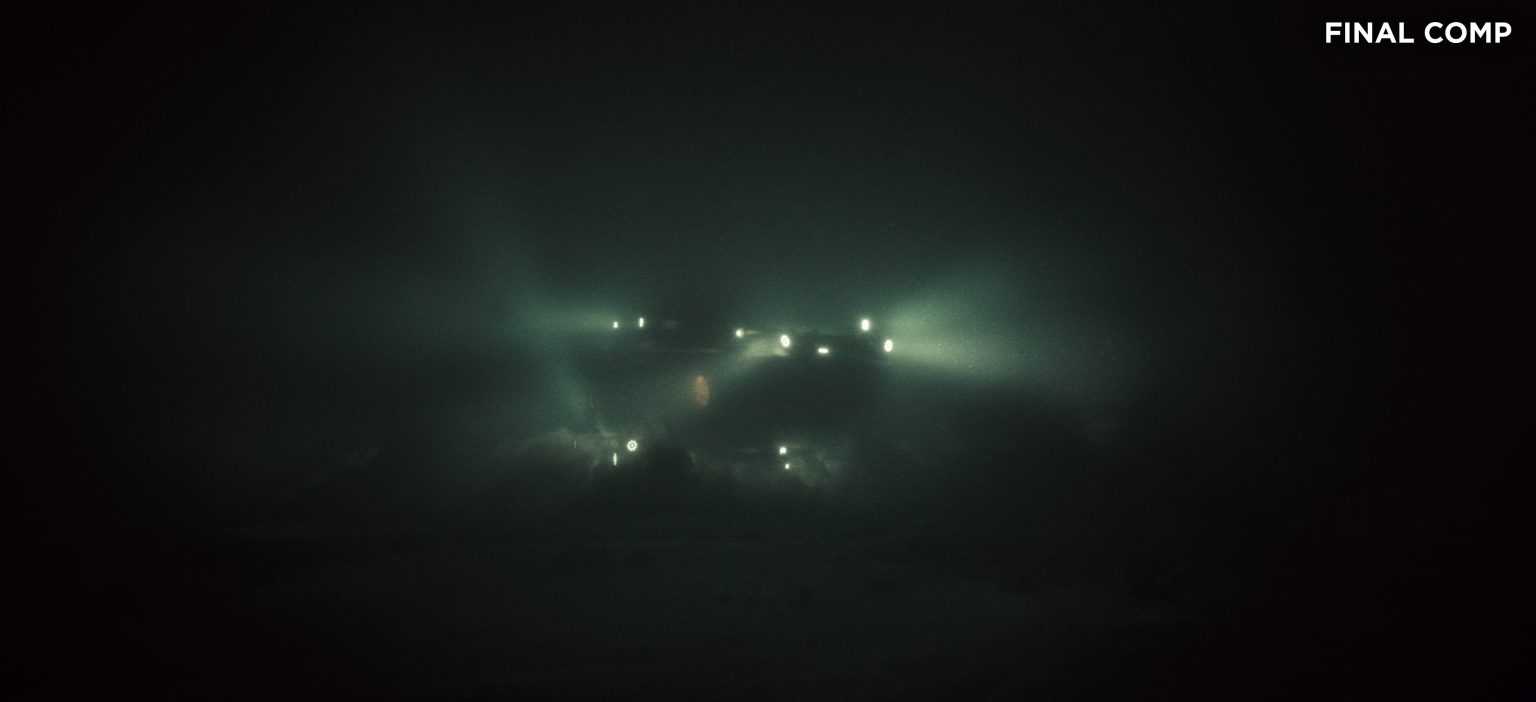
We created the outside of the sub. Every time you see it underwater, it’s a full CG shot. There’s no photography in there. We shot some plates underwater for a lot of reference and lighting and mood, but the outside of the sub is CG, and then the inside of the sub was a fully finished set on this gimbal that was unfinished on the outside, but fully finished. We had light panels in all the portholes because there’s a few lighting changes.
We didn’t use a traditional green screen or blue screen setup because of how the lighting rig needed to be and how interactive it needed to be. We needed to be able to gimbal with the lights attached to the sub because you couldn’t have anything for safety. We didn’t want anything tied down while it was rotating. So, we had light panels in all the windows, which we created. We comped out those and replaced them with a CG background with particulates and bubbles and that kind of thing.
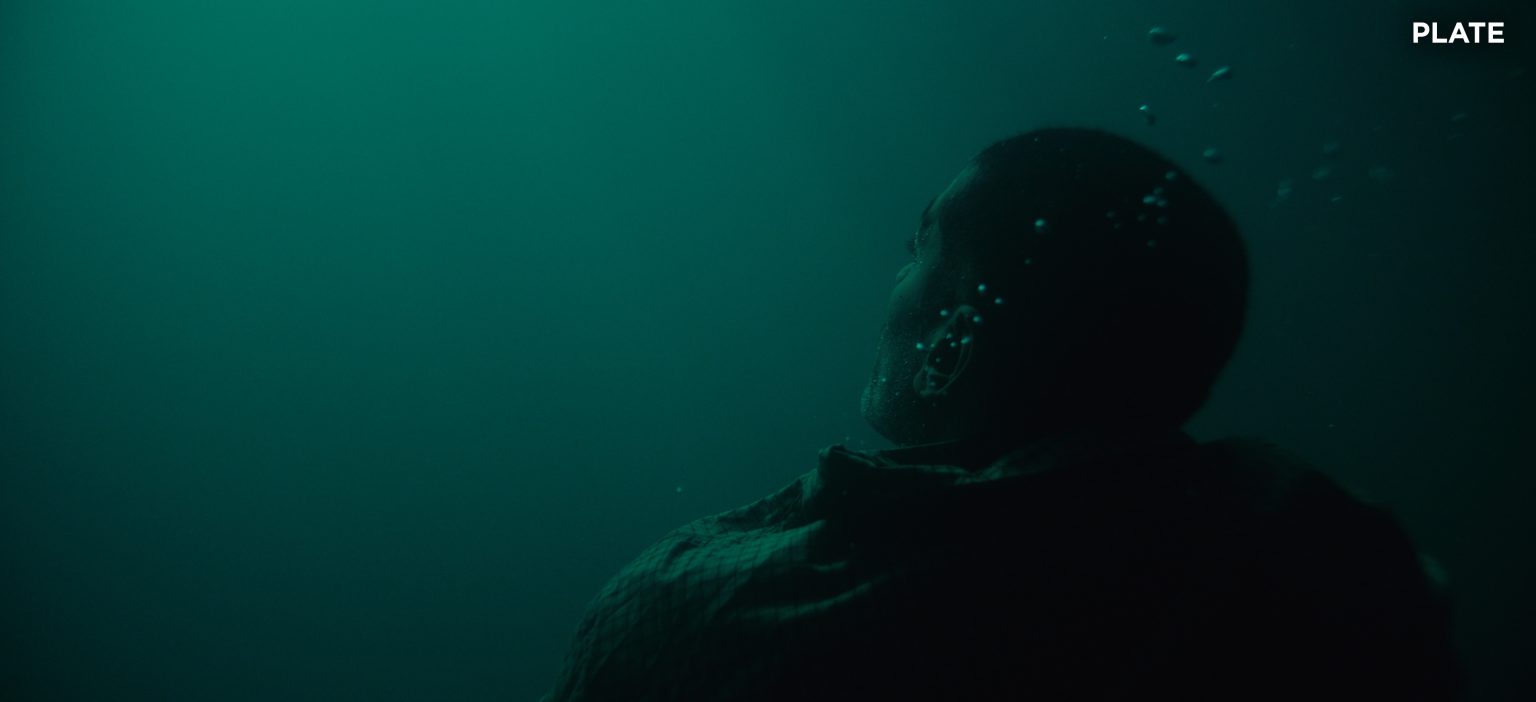
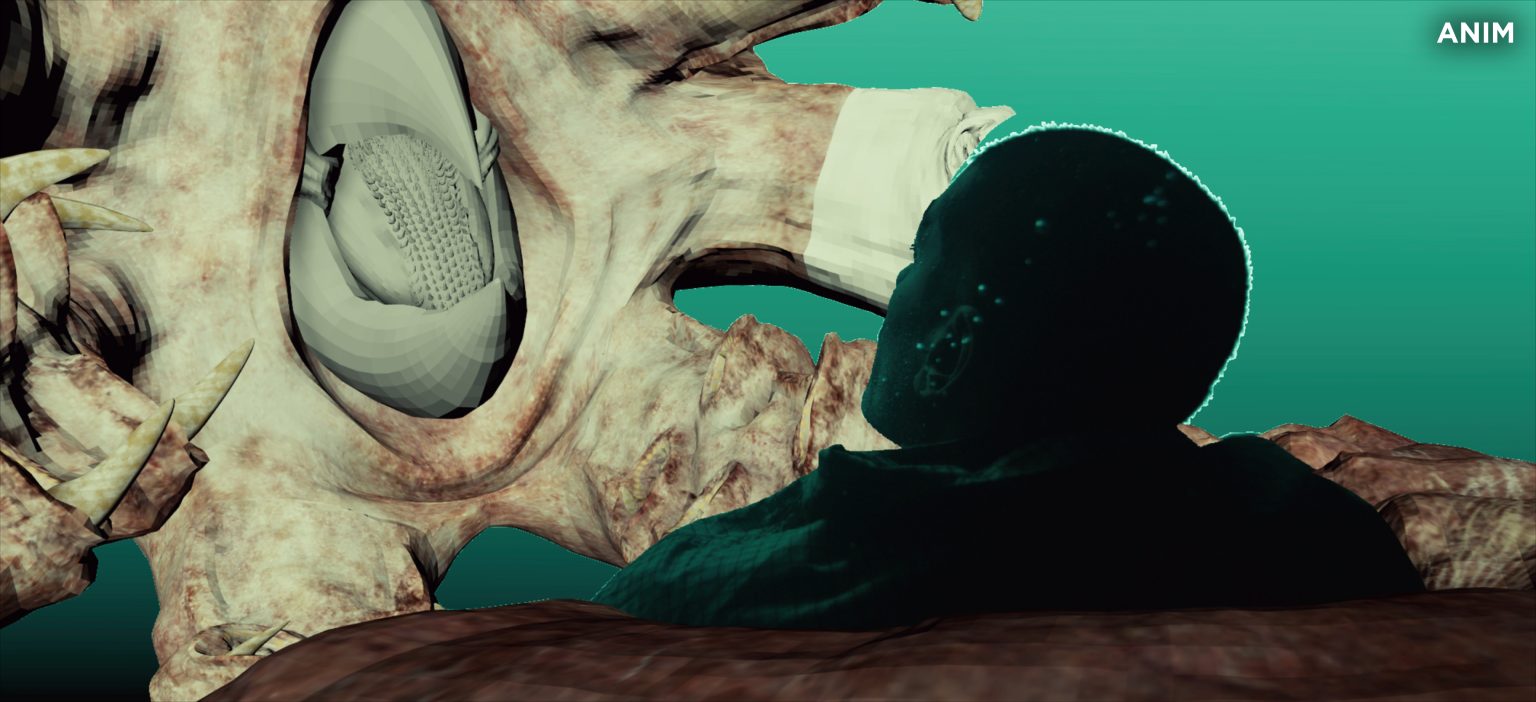
We also had a lot of wire work when it rotated. Everyone’s on a wire that was removed so that they could basically dangle holding onto something, but feel that the sub was totally 90 degrees when she gets her eye kind of up against it, which was very cool. And then design-wise, we always knew the eye is kind of the heart of the story. It’s obviously the window to her soul, like it is for most people, and you’ve got Charlie drawing it and stuff. It was such a big visual motif.
I love that shot because we were kind of playing it like the T. rex coming up to the kids in the car [in Jurassic Park], where you see it in silhouette and then the eye gets really close and does a little dilation and some motion. It just keeps growing and growing and getting bigger and bigger as it gets up to the side. It’s kind of impossibly big, which was really cool.
And then there’s a lot of really cool invisible effects in that sequence too. We had to pull the hatch, the whole roof off to get a lot of the camera angles. We did it with Guy Godfrey, the DP. We shot it on kind of like a pogo rig that he could stand and move in and around people. That meant a lot of the ceiling had to be off. So, the ceiling’s been replaced in CG in a lot of shots, obviously the view outside the windows and then the monitor, there’s that six-up array of monitors that’s seeing outside the sub, and that’s all fully CG as well. We placed virtual cameras on the outside of our CG sub and then ran the sequence in a few four or five big sequences. This one is the sub descending, this is when she’s grabbed it and it’s rotated and the lights are flashing.
This is when her eye is against it and her tentacles are feeling for the hatch. So, we had these long moments that the compositors could use to fill all of the monitors so that it kind of ran sequentially across that whole long sequence, which was a lot of fun. It was a rewarding sequence.”
Below is now streaming on Netflix.