


Picture Credits: Netflix / IMDb
A stroll through the musical world of Nashville, a broken family drama, and a missing person mystery with shades of noir and western – Heartland is a full story. Through it all, filmmaker Shana Feste and editor Dominic LaPerriere bring these pieces together through the eyes of Misty Jones (Jessica Chastain). Whether for a concert or action sequence, LaPerriere always kept the focus on the mysterious country star, Misty Jones.
It’s another strong performance from Chastain, who gave LaPerriere plenty of nuance to work with in post-production. “She’s a hard-ass character, which is great, which is why I like her,” the editor told What’s on Netflix. “But what’s fun about that is to see the experiences that actually created that hard shell and how she’s actually quite a vulnerable person underneath. And so, that’s revealed as the movie goes on.”
LaPerriere, who previously edited Honey Boy and Feste’s previous film, Run Sweetheart Run, recently discussed editing a performance from a great actor.
When you’re reading the script for Heartland, what was compelling to you on the page and how you saw the pace of the film?
What excited me most about it – and then what I saw as the immediate challenge – was genre-bending. It’s a mystery, it’s a thriller, it’s country-western music, and a family drama as well. And so, to be able to thread that needle and service all those different story types, it was exciting and a new challenge to bend some of those genres together and have it all live in a unique world.
Also, I thought, this is a big story with lots of different characters and moving parts. And so, figuring out how to navigate and create those tones, and when you needed to switch to something emotional and when you needed to play up the kind of driving thriller storyline, those are exciting things that we played with a lot in the edit.
But right off the bat, the thing that made me most excited was the lead character, Misty Jones. She was just a fun, salty character that I had not seen before. She almost felt like one of those old-school noir, hard-boiled detective types from the ’40s and ’50s.
I liked watching Jessica Chastain be this stoic in a movie. She’s quiet but says a lot. How do you thread that needle with a performance in post?
I trust my gut when I see those moments that feel weighty. She’s one of those performers, so there were actually more of them than we could use, which I felt spoiled by in that regard. She’ll just be sitting there, and you can feel a lot of things going on behind her eyes.
The story has some pretty heavy plot points, and when we were going through the dailies, you could see those moments really stood out when you could tell it was hitting her and you could see her processing it. When I feel it, I know that there’s something special there. I usually try to mark those moments, because sometimes after you work on something for six months or eight months, you stop being able to see it with those fresh eyes. It’s nice to remember that the first time through, that moment made you feel something.
There’s the movie you write, the movie you shoot, and then the movie you edit, but do you ever think while editing, “What about the movie that was written?”
That’s a good question, because what I try to preserve is not so much sometimes what they wrote on the page, because due to production or any number of things, how it worked in the script might not be how it’s translated onto the film. But what I always do, personally, I like to read the scene right before I start cutting again.
I go back and read it because it reminds me of what the real point of the scene is, where the turns are, and the most important character moments. Those are the things that you can preserve: What is the feeling I was supposed to get? How is this supposed to serve the story? How has it developed the characters? And even if it’s different, the intention from the script can still be there, even if it’s done in a different way.
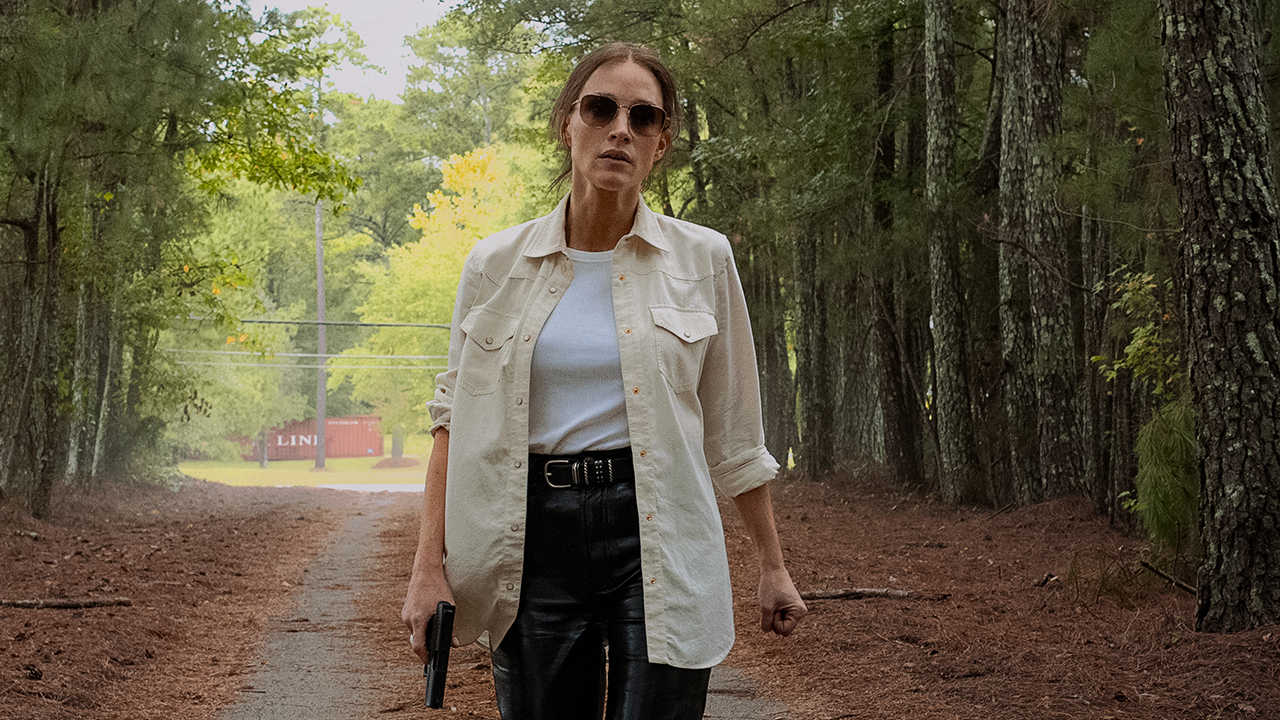
Heartland. Jessica Chastain as Misty Jones in Heartland. Cr. Tina Rowden/Netflix © 2026.
Any scenes that come to mind where you were really driving toward the screenplay’s intention?
There were quite a few scenes where we were shaping it to be the strongest version that it could be, trying to get the real tone. There’s a moment where Misty and Roy are in a bar. She kind of cracks open for the first time and reveals some stuff about what it was really like for her in that moment when her life was collapsing and her marriage was collapsing. There was more to that scene that we actually honed down, because we wanted to focus it on the most pivotal points.
I think we achieved what was in the script, which was to feel like you got to know Misty for the first time in her own words. She kind of opens up in a way she doesn’t in any other moment. She’s vulnerable. But we did end up really adjusting that scene. We had to get rid of some of the dialogue just for length and focus. That’s typical, but that was one that came to mind that we crafted and worked on for a while.
How was it handling so much plot for Heartland? You got the mystery, a decent amount of backstory and twists and turns.
When you mentioned before having those quiet moments where you see those things land on Misty Jones, that’s where it is: knowing when you need a breath to make sure you know that the thing that was just exposition actually impacts the characters. And so, that’s the line.
If it’s just an exposition dump and then nobody seems to change or have an emotional reaction to it, then it’s going to feel like it’s just plot. But when you have those moments where you can actually see how that impacts the characters around them, have them take it in, and have it change who they are and the trajectory they’re going, then it feels a little bit more integrated into a character-driven story as opposed to a plot-driven story.
When you edit an actor as accomplished as Jessica Chastain, what stands out? What are the differences between a pro such as herself and maybe someone newer to acting?
You could tell when there are certain actors that are really talented, but they’re a little bit green, so each take is quite different and is quite difficult to cut together. They’re just not thinking about the different sides, if you switch sides and they start doing something very different. In the really wide shots, they’re not giving their best performance, and in the close-ups, they give more nuanced performances, that kind of stuff.
You can tell with a professional… I think that she clearly knew how the edit was put together and how her performances would create a holistic character instead of playing a scene moment to moment. She was also cognizant of where I am in the story and the trajectory of my character and how it’s unfolding.
I think it comes with skill and a lot of experience. And so, if you have an actor who’s less experienced, they might give a great performance in the moment, but it doesn’t actually sit in the trajectory of the character in that scene. A first-act performance might be great, but it actually feels like that’s where the character needs to be in the third act, as opposed to in the first act.
Jessica really understood the trajectory of the character, so she was able to shape that even though they’re shooting out of order. She’s able to move back and forth in the state that the character was in at that moment. It always makes our job a lot easier.
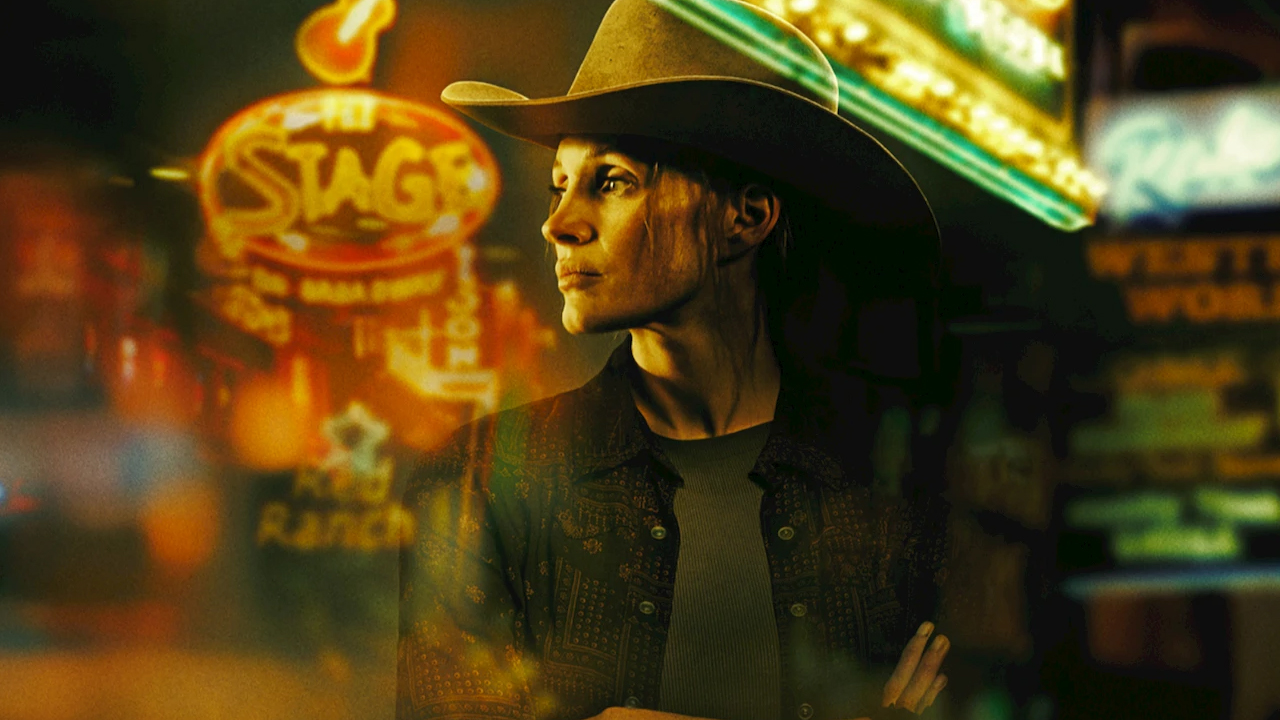
Picture Credit: Netflix
It’s funny how the collaboration between an editor and lead actor is so massive, and yet, editors and actors almost never speak to one another.
I feel very connected to them, and then maybe I’ve spoken to them twice, and I’m like, “I’ve stared at your face. I’ve intimately studied the lines on your face for eight months. You’ve seen me twice on ADR calls.” It’s definitely a funny thing, but it is a collaboration. They give you so many wonderful moments, and I try my best to just honor all that hard work and try to make it shine as best I can by highlighting all of the best moments.
Is cutting a concert sequence a technical nightmare?
They were hard, but I love it, though. Actually, one of my favorite parts of the movie was the music. It actually brought a lot of joy, even though I was listening to those songs over and over again. Those are really fun, and they did a wonderful job with the choreography. Plus, there was also plot and story going on. It’s hard to make it entertaining and engaging for a couple of minutes if it’s just a musical break.
But because of some of the choreography, for example, when Misty is singing in the big concert sequence, there’s a back-and-forth and playfulness there. It’s also really pointed and emotional, and the way she’s stealing the show from him. So she comes on kind of timidly and then steals the show from him and shows him up by the end. It gives me a nice trajectory to play with, and they choreographed it well, so there were all those moments there between them that we could play with.
Were you thinking of concert films or a lot of music-driven films?
A hundred percent, yeah. I looked at some concert films and I looked at some of the classic music films too. I looked at some of the music sequences from A Star Is Born and was just thinking about how the character moments actually shine as much as the music there.
And so, I was keeping that in mind when I was cutting this. What makes this a narrative film and not just a concert video is those character moments and that narrative thrust that you have to keep threading through. So, as much as it was fun to be in those big, wide concert shots, the most emotional parts were when we were close-up and could see that dynamic between the characters.