

Picture Credits: Andreas Branch / Netflix
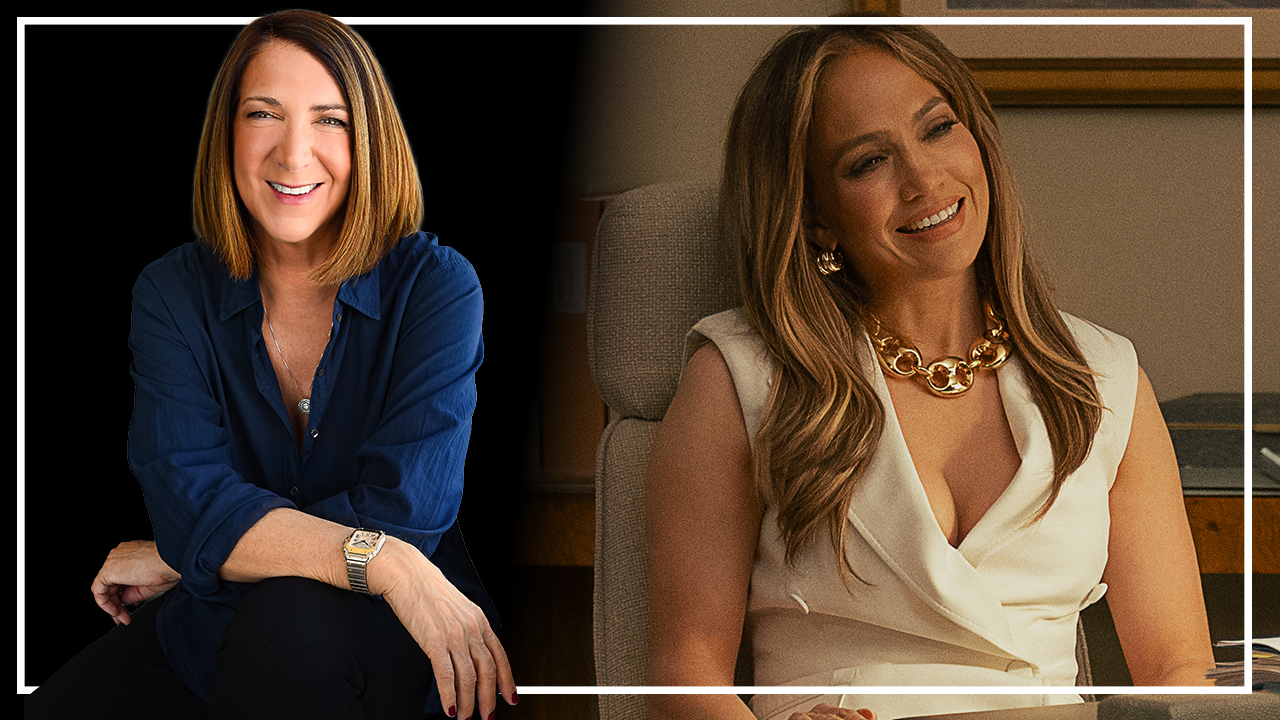
The casting director of Office Romance is a master caster of horror pictures. From setting up perfect meet-cutes to selecting nice faces to melt off isn’t unusual for a casting director, but Nancy Nayor’s eye for horror is as sharp as a knife. She cast Bradley Cooper in Midnight Meat Train, Liam Neeson in Darkman, and most recently, Georgina Campbell in Barbarian and Sophie Thatcher in Companion.
Plus, she worked on The Burrowers, Strange Darling, and Pathology. She’s also worked on a ton of Netflix shows and movies, including Don’t Move, Best. Christmas. Ever!, The Mother, and Ivy + Bean.
The casting director grew up obsessed with Dark Shadows, The Twilight Zone, and The Outer Limits. She began her career in the movie business at Universal Pictures and served as the Senior Vice President of Feature Casting. Her first produced gig for the studio? Psycho III, in which she worked with Anthony Perkins and cast horror fan favorite Jeff Fahey.
To put it mildly, Nancy Nayor Casting finds wonderful actors to kill. Recently, she spoke with What’s on Netflix about her casting process for all things horror.
You began in the casting department at Universal Pictures. How did that early gig shape the casting director you’ve become?
It’s amazing to start at a studio with an in-house position. I was there for 14 years and I started when I was 25, so I began sort of in reverse. Usually people freelance for years and then they settle into a studio, but I wound up starting at the studio. It gives you such a unique perspective. It’s something you can read about, you can hear about it, but until you’re in the thick of it at a studio, you can’t really understand it. It’s just a giant machine that you have to feed.
You’re always balancing commerce with creativity – and you hope that it’s the perfect blend. When I was there, we had in-house deals with Spielberg, Oliver Stone, Spike Lee, and John Hughes. I worked with Sam Raimi for the first time during my years there. They have such great filmmaker relationships, so that was wonderful.
When casting a lead for a horror movie, what qualities in an actor do you tend to respond to?
It’s a quality that makes me lean in, gives me chills, and makes my heart flutter. I watch someone and I just fall in love with them. I check my own reactions and I think, okay, if I’m thrilled by an audition, I think the audiences will be as well. Time has proven to me that that happens enough of the time that I can trust my instincts.
A great example of that is Bradley Cooper in Midnight Meat Train. That was an inspired choice.
Thank you. Leslie Bibb, too. Yeah, that was amazing. It was funny because I thought of some genre titles. I thought, oh, is that really going to work? Midnight Meat Train sounds so cheesy, but it was based on a Clive Barker short story that was very well revered by his fans. And so, the producers were like, “We can’t change that title. It’s sticking.”
Great movie. Obviously you’ve cast a wide variety of genres, but what about horror really speaks to you as a casting director?
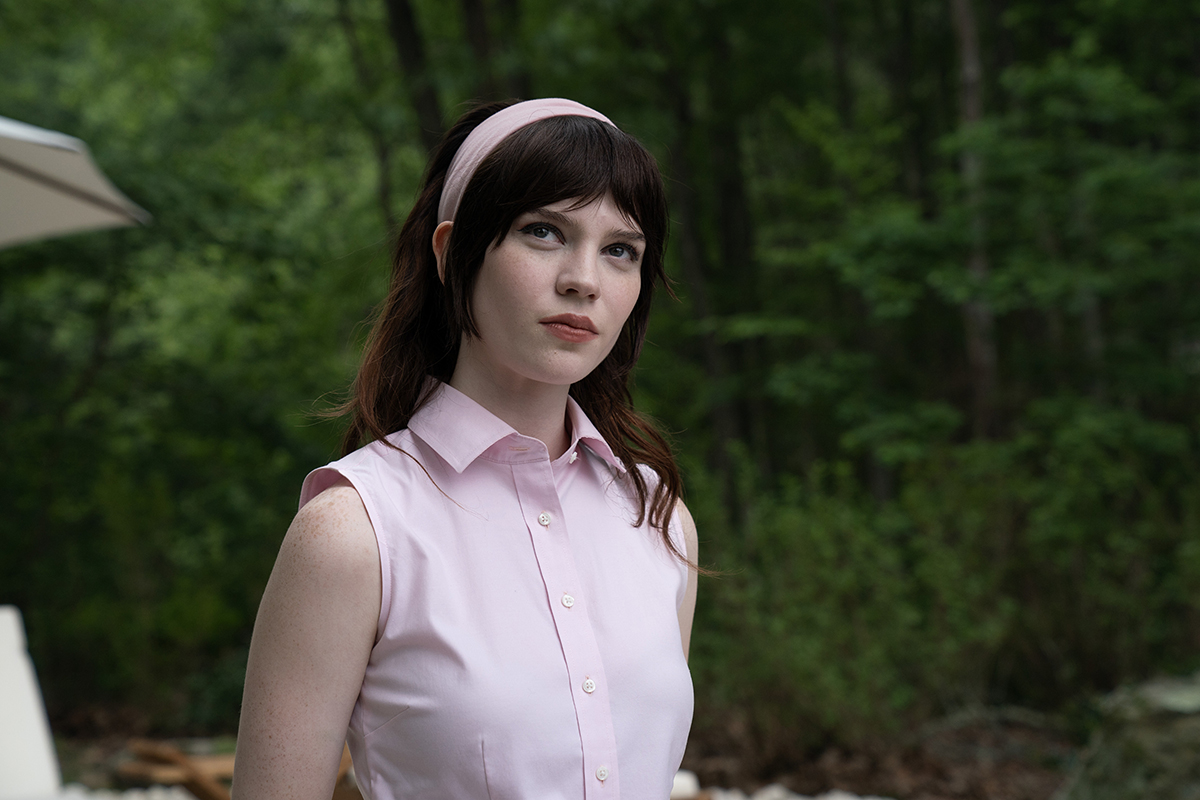
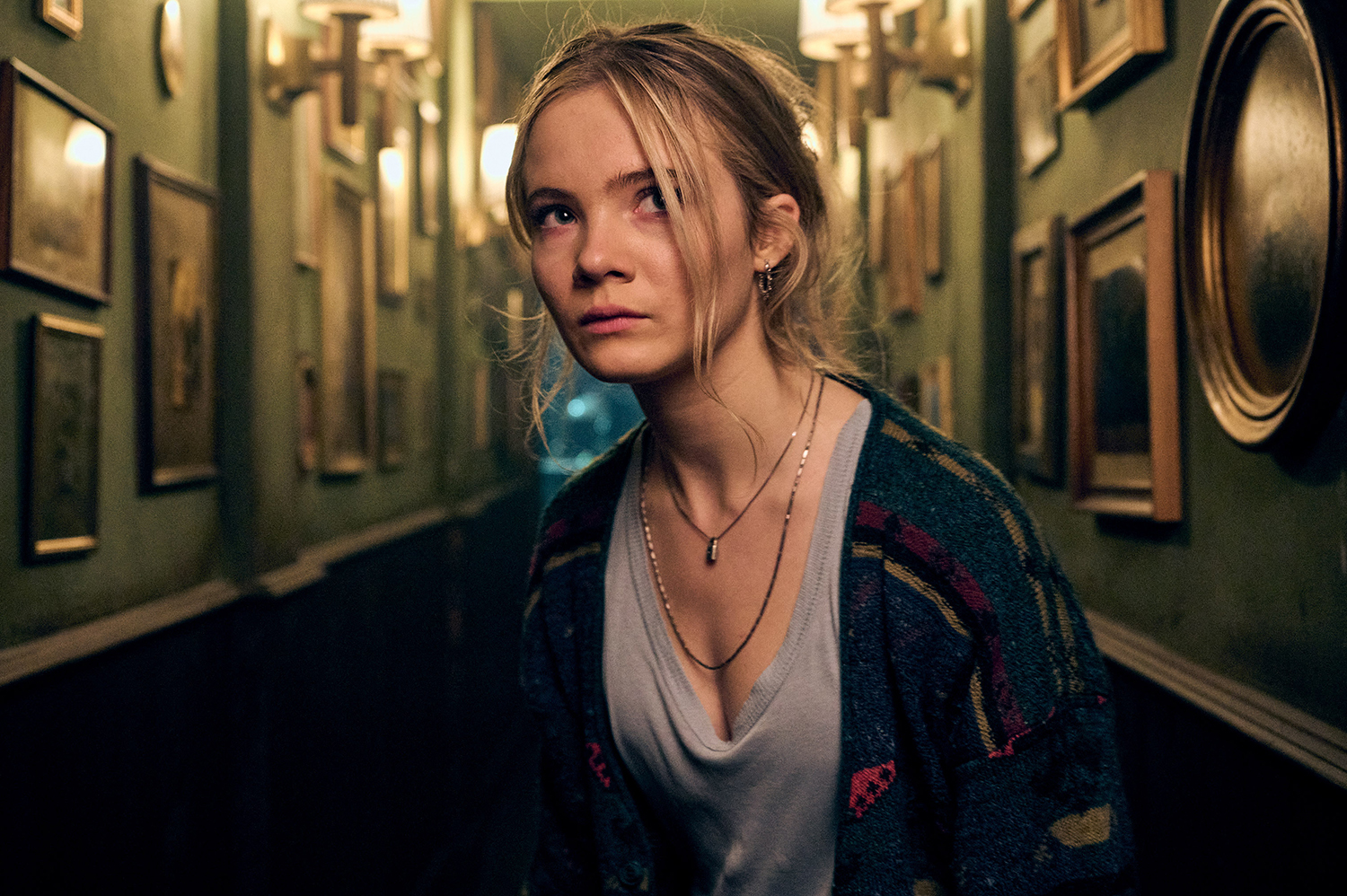
The model is, say, you want to present these fantastical scenarios and you want it to feel real. You want it to be happening to more of the everyman, not more of the celebrity persona. We have the chance to discover someone like Georgina Campbell [for Barbarian], who, by the way, had already won a BAFTA a few years earlier and beat out the likes of Maggie Smith and Judi Dench. She was already established, but the wider film audience didn’t know her. She was so talented, but that was a chance to feel like, oh, we get to discover someone newer. I think that’s one thing I love about genre, that opportunity for discovery.
I also love that actors get to go to the depths of their souls and the edge of their being in terms of the intense range that they get to show off. The scenarios are so horrifying or terrifying. There’s nothing casual about it. It’s always extreme and it gives an actor a chance to show off all of their beautiful colors, their skill set, and their emotional range.
.won-gallery {
–won-gal-accent: #b9090b;
–won-gal-radius: 10px;
–won-gal-step: 28px;
–won-gal-gap: 1.25rem;
–won-gal-shadow: 0 6px 22px rgba(0, 0, 0, 0.14);
display: flex;
gap: var(–won-gal-gap);
margin: 1.75rem 0;
padding: 0;
list-style: none;
box-sizing: border-box;
}
.won-gallery *,
.won-gallery *::before,
.won-gallery *::after {
box-sizing: border-box;
}
.won-gallery-item {
position: relative;
margin: 0;
flex: 0 0 auto;
border-radius: 0;
overflow: hidden;
background: #fff;
box-shadow: var(–won-gal-shadow);
transition: transform 0.25s ease, box-shadow 0.25s ease;
}
.won-gallery-item:hover,
.won-gallery-item:focus-within {
transform: translateY(-4px);
box-shadow: 0 10px 30px rgba(0, 0, 0, 0.22);
}
.won-gallery-item img {
display: block;
width: 100%;
height: auto;
border-radius: inherit;
}
.won-gallery-item figcaption {
position: absolute;
left: 0;
right: 0;
bottom: 0;
padding: 1.25rem 0.85rem 0.7rem;
font-size: 0.82rem;
line-height: 1.35;
color: #fff;
background: linear-gradient(to top, rgba(0, 0, 0, 0.78), rgba(0, 0, 0, 0));
}
/* —- Horizontal orientation (a row that cascades vertically) —- */
.won-gallery–horizontal {
flex-direction: row;
align-items: flex-start;
flex-wrap: nowrap;
overflow-x: auto;
padding-bottom: 0.5rem;
-ms-overflow-style: none;
scrollbar-width: none;
}
.won-gallery–horizontal::-webkit-scrollbar {
display: none;
}
.won-gallery–horizontal .won-gallery-item {
width: clamp(180px, 24vw, 300px);
margin-top: calc(min(var(–won-gal-i, 0), 6) * var(–won-gal-step));
}
.won-gallery–horizontal.won-gallery–left {
flex-direction: row-reverse;
justify-content: flex-end;
}
/* —- Vertical orientation (a column that cascades sideways) —- */
.won-gallery–vertical {
flex-direction: column;
gap: var(–won-gal-gap);
}
.won-gallery–vertical .won-gallery-item {
width: clamp(220px, 60%, 460px);
max-width: 100%;
}
.won-gallery–vertical.won-gallery–right .won-gallery-item {
align-self: flex-start;
margin-left: calc(min(var(–won-gal-i, 0), 6) * var(–won-gal-step));
}
.won-gallery–vertical.won-gallery–left .won-gallery-item {
align-self: flex-end;
margin-right: calc(min(var(–won-gal-i, 0), 6) * var(–won-gal-step));
}
@media (max-width: 600px) {
.won-gallery {
–won-gal-step: 14px;
}
.won-gallery–vertical .won-gallery-item {
width: 100%;
}
}
/* —————————————————————
* Auto-scrolling showcase (marquee) mode
* ————————————————————— */
.won-gallery-marquee {
–won-gal-accent: #b9090b;
–won-gal-radius: 10px;
–won-gal-gap: 1.25rem;
–won-gal-h: 360px;
–won-gal-vh: 600px;
–won-gal-duration: 90s;
–won-gal-shadow: 0 6px 22px rgba(0, 0, 0, 0.14);
position: relative;
margin: 1.75rem 0;
overflow: hidden;
box-sizing: border-box;
-ms-overflow-style: none;
scrollbar-width: none;
-webkit-mask-image: linear-gradient(to right, transparent, #000 5%, #000 95%, transparent);
mask-image: linear-gradient(to right, transparent, #000 5%, #000 95%, transparent);
}
.won-gallery-marquee::-webkit-scrollbar {
display: none;
}
.won-gallery-marquee *,
.won-gallery-marquee *::before,
.won-gallery-marquee *::after {
box-sizing: border-box;
}
.won-gallery-track {
display: flex;
gap: var(–won-gal-gap);
width: max-content;
will-change: transform;
}
/* Pause so viewers can settle on a frame. */
.won-gallery-marquee:hover .won-gallery-track,
.won-gallery-marquee:focus-within .won-gallery-track {
animation-play-state: paused;
}
.won-gallery-marquee .won-gallery-item {
flex: 0 0 auto;
margin: 0;
position: relative;
border-radius: 0;
overflow: hidden;
background: #fff;
box-shadow: var(–won-gal-shadow);
}
/* Horizontal marquee: a row scrolling sideways, big images by height.
* Longhand animation props (not the shorthand) so the var() duration
* resolves reliably in Safari, where var() in the `animation` shorthand
* is silently dropped. */
.won-gallery-marquee–horizontal .won-gallery-track {
flex-direction: row;
animation-name: won-gal-scroll-x;
animation-duration: var(–won-gal-duration);
animation-timing-function: linear;
animation-iteration-count: infinite;
}
.won-gallery-marquee–horizontal .won-gallery-item {
height: var(–won-gal-h);
width: auto;
}
.won-gallery-marquee–horizontal .won-gallery-item img {
display: block;
height: 100%;
width: auto;
border-radius: inherit;
}
/* Vertical marquee: a column scrolling up/down inside a fixed window. */
.won-gallery-marquee–vertical {
height: var(–won-gal-vh);
-webkit-mask-image: linear-gradient(to bottom, transparent, #000 5%, #000 95%, transparent);
mask-image: linear-gradient(to bottom, transparent, #000 5%, #000 95%, transparent);
}
.won-gallery-marquee–vertical .won-gallery-track {
flex-direction: column;
align-items: center;
width: auto;
animation-name: won-gal-scroll-y;
animation-duration: var(–won-gal-duration);
animation-timing-function: linear;
animation-iteration-count: infinite;
}
.won-gallery-marquee–vertical .won-gallery-item {
width: clamp(240px, 42vw, 480px);
max-width: 100%;
}
.won-gallery-marquee–vertical .won-gallery-item img {
display: block;
width: 100%;
height: auto;
border-radius: inherit;
}
/* direction=”right” simply plays the loop the other way. */
.won-gallery-marquee–right .won-gallery-track {
animation-direction: reverse;
}
/* When the JS driver is active it controls the transform itself, so
* switch off the CSS animation to avoid double movement. */
.won-gallery-marquee.is-js .won-gallery-track {
animation: none !important;
cursor: grab;
}
.won-gallery-marquee.is-dragging .won-gallery-track {
cursor: grabbing;
}
/* Let touch drag the marquee along its own axis while leaving the
* cross-axis gesture (page scroll) to the browser. */
.won-gallery-marquee.is-js.won-gallery-marquee–horizontal {
touch-action: pan-y;
}
.won-gallery-marquee.is-js.won-gallery-marquee–vertical {
touch-action: pan-x;
}
.won-gallery-marquee.is-js img {
user-select: none;
-webkit-user-select: none;
-webkit-user-drag: none;
}
@keyframes won-gal-scroll-x {
from { transform: translateX(0); }
to { transform: translateX(-50%); }
}
@keyframes won-gal-scroll-y {
from { transform: translateY(0); }
to { transform: translateY(-50%); }
}
@media (prefers-reduced-motion: reduce) {
.won-gallery-track {
animation: none !important;
}
.won-gallery-marquee {
overflow: auto;
-ms-overflow-style: none;
scrollbar-width: none;
}
}
(function () {
function initMarquee(marquee) {
if (marquee.dataset.wonMarqueeInit === ‘1’) {
return;
}
var track = marquee.querySelector(‘.won-gallery-track’);
if (!track) {
return;
}
marquee.dataset.wonMarqueeInit=”1″;
marquee.classList.add(‘is-js’);
var vertical = marquee.classList.contains(‘won-gallery-marquee–vertical’);
var reverse = marquee.classList.contains(‘won-gallery-marquee–right’);
var velocity = parseFloat(marquee.getAttribute(‘data-velocity’)) || 40; // px per second
var dirSign = reverse ? 1 : -1;
var loopDist = 0;
var offset = 0;
var hovering = false;
var dragging = false;
var lastTs = null;
function measure() {
var kids = track.children;
var half = Math.floor(kids.length / 2);
var firstClone = kids[half];
if (!firstClone) {
loopDist = 0;
return;
}
loopDist = vertical ? firstClone.offsetTop : firstClone.offsetLeft;
}
// Keep offset within (-loopDist, 0] so the duplicated set always
// covers the viewport, regardless of drag / wheel / auto movement.
function wrap() {
if (loopDist <= 0) {
return;
}
while (offset 0) {
offset -= loopDist;
}
}
function apply() {
track.style.transform = vertical
? ‘translateY(‘ + offset + ‘px)’
: ‘translateX(‘ + offset + ‘px)’;
}
// Manual nudge from drag / wheel input.
function moveBy(delta) {
if (loopDist <= 0) {
measure();
}
offset += delta;
wrap();
apply();
}
function frame(ts) {
if (lastTs === null) {
lastTs = ts;
}
var dt = (ts – lastTs) / 1000;
lastTs = ts;
if (loopDist 0) {
offset += dirSign * velocity * dt;
wrap();
apply();
}
window.requestAnimationFrame(frame);
}
marquee.addEventListener(‘mouseenter’, function () { hovering = true; });
marquee.addEventListener(‘mouseleave’, function () { hovering = false; });
marquee.addEventListener(‘focusin’, function () { hovering = true; });
marquee.addEventListener(‘focusout’, function () { hovering = false; });
// —- Manual drag (mouse + touch via Pointer Events) —-
var dragStart = 0;
var dragLast = 0;
var activePointer = null;
function onPointerDown(e) {
if (e.pointerType === ‘mouse’ && e.button !== 0) {
return;
}
dragging = true;
activePointer = e.pointerId;
dragStart = vertical ? e.clientY : e.clientX;
dragLast = dragStart;
marquee.classList.add(‘is-dragging’);
if (track.setPointerCapture) {
try { track.setPointerCapture(e.pointerId); } catch (err) {}
}
}
function onPointerMove(e) {
if (!dragging || (activePointer !== null && e.pointerId !== activePointer)) {
return;
}
var pos = vertical ? e.clientY : e.clientX;
moveBy(pos – dragLast);
dragLast = pos;
}
function endDrag(e) {
if (!dragging || (activePointer !== null && e && e.pointerId !== activePointer)) {
return;
}
dragging = false;
activePointer = null;
marquee.classList.remove(‘is-dragging’);
}
track.addEventListener(‘pointerdown’, onPointerDown);
track.addEventListener(‘pointermove’, onPointerMove);
track.addEventListener(‘pointerup’, endDrag);
track.addEventListener(‘pointercancel’, endDrag);
track.addEventListener(‘pointerleave’, endDrag);
// Stop the browser’s native image drag ghost.
track.addEventListener(‘dragstart’, function (e) { e.preventDefault(); });
// —- Wheel / trackpad scrolling along the marquee’s axis —-
marquee.addEventListener(‘wheel’, function (e) {
var along = vertical ? e.deltaY : e.deltaX;
var across = vertical ? e.deltaX : e.deltaY;
// Only claim the gesture when it is mostly along our axis, so
// normal vertical page scrolling is never hijacked.
if (Math.abs(along) <= Math.abs(across)) {
return;
}
e.preventDefault();
moveBy(-along);
}, { passive: false });
window.addEventListener('resize', measure);
// Re-measure once images have real dimensions.
if (document.readyState !== 'complete') {
window.addEventListener('load', measure);
}
measure();
window.requestAnimationFrame(frame);
}
function initAll() {
var nodes = document.querySelectorAll('.won-gallery-marquee[data-won-marquee]');
for (var i = 0; i < nodes.length; i++) {
initMarquee(nodes[i]);
}
}
if (document.readyState === 'loading') {
document.addEventListener('DOMContentLoaded', initAll);
} else {
initAll();
}
})();
Actors get to go to extreme places in horror. When you have an actor read for a horror movie, what sort of scenes do they audition with?
For The Exorcism of Emily Rose, for example, we had to take futons and pad the walls and the floors because we had hardwood floors and the actors had to be possessed by the devil, speaking in tongues, eating bugs off the floor, having epileptic seizures. They had to really flail around in our office, but we didn’t want them to get hurt.
We had to also tell the dentist and the chiropractor downstairs that we would be done casting shortly. Don’t freak out.
They must’ve loved it.
They would always give us the evil eye when we’d walk up the stairs to the office for the day of work. They were just like, “Oh Lord, now we have to deal with blood-curdling screams and weird sounds all day long.” I think they got used to us, but we did our best to coexist. There’s very few office buildings that could handle my normal routine at the office for a genre film audition.
How big did actors go in those auditions for The Exorcism of Emily Rose?
It was crazy. People went full out. I mean, that’s what I love is there’s no holding back in genre auditions. If you have actors read a scene where they’re supposed to have an argument, but there’s a monster down the hall, I love it when I have to explain, no, don’t have a loud argument because the monster will know that you’re in the other room. They’ll come and eat you and kill you. So, try to have a very intense argument, but you’re whispering because you don’t want to alert the monster. There are certain rules to the genre that just don’t apply in normal scenarios.
Say, for an indie horror movie like Haunt, you picked a good group of actors that you care for, in a very short amount of time, before they bite the dust. How much do death scenes play a role in casting?
One of the things that comes up in horror film auditions, which you have to evaluate, is somebody has a horrible, annoying scream, you kind of don’t care if they go [laughs]. You kind of want to see them go. You shouldn’t want that a lot of the time. Like you said, you should feel badly when they die, not like, oh, that scream was so annoying. Not that it should be melodious, but it should be appealing, not grating and irritating. Not everybody can pull off a good genre scream.
Has this ever happened: you and a director like an actor but their scream is no good, so you both say, hey, we maybe can ADR that later?
[Laughs] No, no. They just want the whole package because there’s enough people that come in that can do it all. If they have a great reading and a great scream, we usually go that way.
What makes a great scream?
I can’t do it. In fact, it’s funny because sometimes if I had to read with an actor and I had to do the screaming, I would be like, let’s just get another reader in here. I don’t have the vocal cords for it. I don’t know how to describe it. You know when you hear it, you’re like, oh, that’s good. That’s a quality scream.


You studied under the legendary acting coach Lee Strasberg, as well. Having that experience, when you’re reading with actors or have them come in for an audition, how do you try to put them at ease and get their best work?
Now we’re more remote post-COVID, but when we were in the room, I’d always love to let people improvise, let people do the scene a couple of times. It’s why when people self-tape, I always encourage them to do a couple of takes. Not to feel like, oh, I’ve got this one shot and if I blow that one shot, it’s over. I like people to present multiple possibilities of the reading, because the director’s not always in the room. I’m not always in the room anymore to help guide the actor. I think that helps to make people feel more relaxed. Even the fact that as much as people used to complain about the waiting room and complain about the traffic, I think there is nostalgia where actors miss being in the waiting room. Ultimately, even if the wait is long, it’s the room where it happens, as I say.
With self-tapes, you get to see a lot more actors, right?
Now people are freer though to self-tape at home, to have their friends watch their auditions, give them input, help them pick the right take to send. I get to see more contenders. It’s the reality of how many people you can fit into an hour. You just can’t see as many people in an hour. I feel it’s an advantage, the self-taping, but we’re less able to kind of help nurture the performance, nurture the emotions of the actor during the process. But I think there’s ways to counteract that with doing multiple takes.
What else helps make a self-tape stand out?
It helps to just do a little one minute of who the person is, just share about themselves. It could be personal, it could be professional, what they just finished working on, why they love this particular script. Why does it speak to them? Those conversations we used to have in the room.
For a VFX-heavy monster movie, how do actors generally best express fear over a self-tape? What are they reacting to?
Sometimes characters are reacting to giant alien creatures or horrific scenarios. None of that is happening in the room where we’re auditioning or where they’re self-taping at home. Hopefully, none of that is happening [Laughs]. A lot of times we’ll just have a section of the audition where someone has to look at a fixed point off camera and show horror on their face. Sometimes in a scene, you have to react. It’s not just when you have your lines. You have to be so present and contributing to the environment of the horror oftentimes without speaking.
That always stands out to me in a movie: is an actor comfortable listening in a scene? Even some great movie stars aren’t great at it.
It’s so important. I notice that a lot when I’m watching auditions. If someone just checks out when the other person is speaking and they only become animated when it’s their line or their chance to speak, that’s going to be a problem.
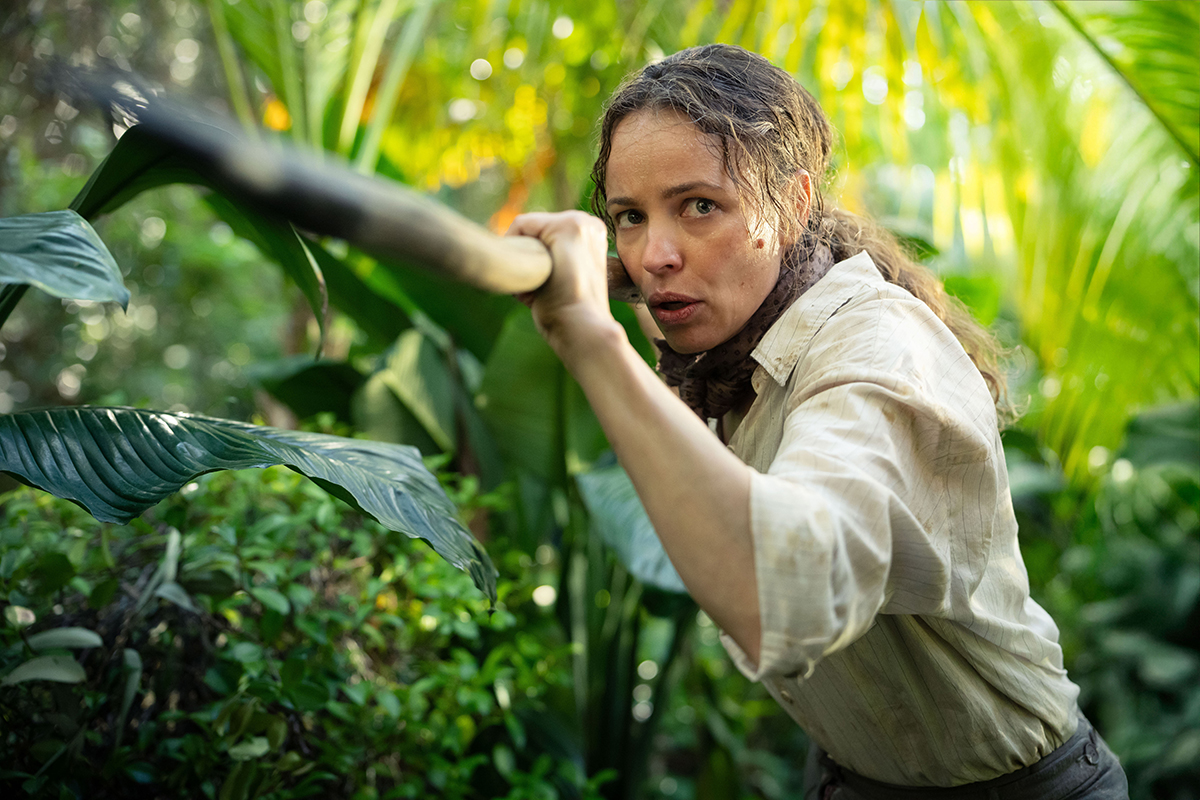
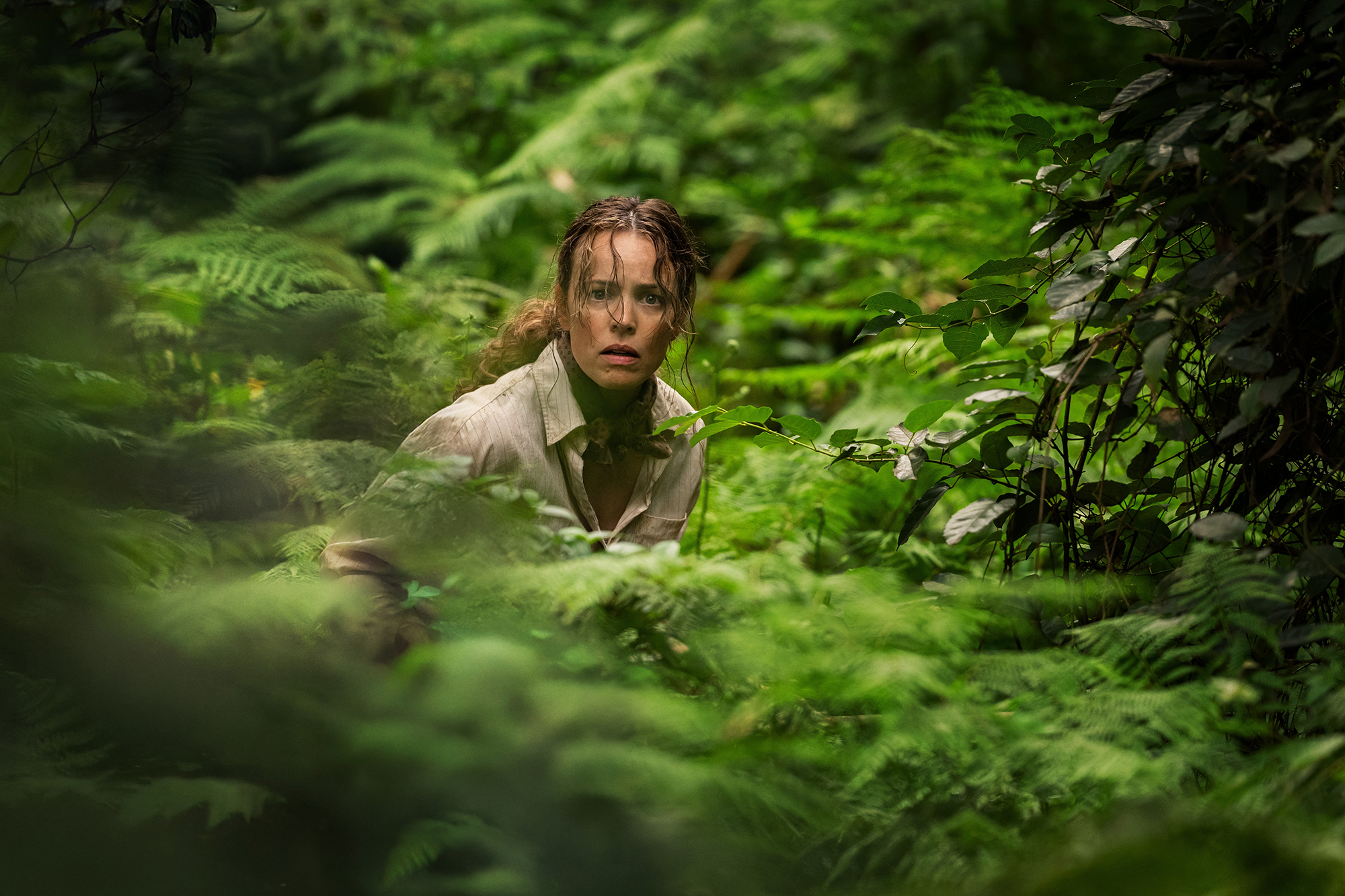
You have a longstanding collaboration with Sam Raimi, going back to Darkman and most recently, Send Help. He’s got such a Looney Tunes style of filmmaking. What do you look for in actors when it comes to fulfilling his unique vision?
Well, you’re right. There is a wackiness to Sam and he’s so funny. I’ve never had a director create such an environment of humor, even in production Zooms. We’ll all be talking about Send Help, like what is the season for box jellyfish? Will they be eating at the actors while they’re in the water? Can you create a barrier in the ocean where they won’t be eaten alive by the jellyfish? Somehow this would seem like a sort of harrowing discussion, but he would have us all in stitches. He’s one of the funniest people I’ve ever met and great at what he does.
Sam’s style, like you said, is very specifically heightened. Even the way you zero in on a piece of tuna fish hanging off Rachel McAdams’ lip. He can get away with these creative, amazing things that other filmmakers could try, but it doesn’t work. He’s got such a signature quality. You get a sense of which actors appreciate that.
Did you know Liam Neeson appreciated it even back then?
Well, he was a bit more of a straight man. I know he just did The Naked Gun, but he was the more dramatic soul of that piece. I would think Darkman is less comedic than some of Sam’s other movies because it was a very tragic story, heartbreaking story.
We actually had Julia Roberts auditioning for the Frances McDormand role because they had just worked together in Mystic Pizza. I think they had become close friends, so they read together. In the end, I think they decided, okay, we should just stay friends, not work together again so soon. Then we were open to cast that role with wider choices.
Let’s talk about monsters. In the case of Barbarian, was there some sadness you were looking for in the mother figure? What do you usually want to see during the casting process for a monster or antagonist?
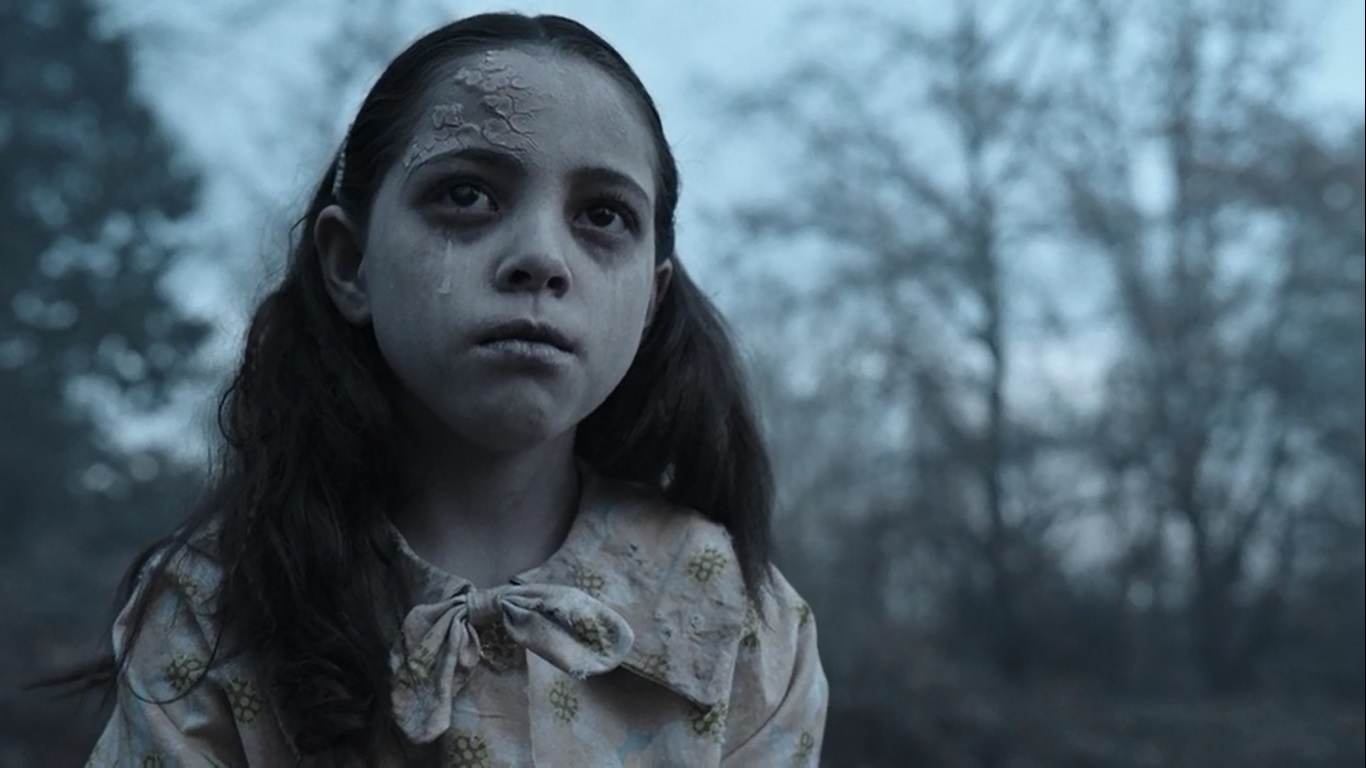
Usually, it’s just a great face. Sometimes people are covered with so much makeup and prosthetics that then it’s all in the eyes. Oftentimes you just have to have these very soulful eyes and people that can tolerate hours in the makeup chair, which not everyone can. But that’s the one part, the human part that comes through.
Again, you just see sometimes thousands of auditions for one character. Then all of a sudden something makes you take notice in a different way. It’s that gut feeling, the chills. It’s something that makes me lean in and get excited about a particular choice. With those characters, it’s the eyes that just can break your heart or terrify you.
You’ve worked with so many horror greats. Sam Raimi, Joe Dante, Chuck Russell, and Anthony Perkins. What do you really appreciate about these collaborations?
Well, I love that they’re iconic. Their films are iconic. When I was a kid, I mean, the original Psycho was one of my most pivotal memories from my childhood. I was blown away. I was just like, “This is a whole other caliber of creation.”
They are the masters of horror. To be able to work with all of them, it’s an honor. It’s always been a wheelhouse I’explored. It’s always, always an adventure that I love.