

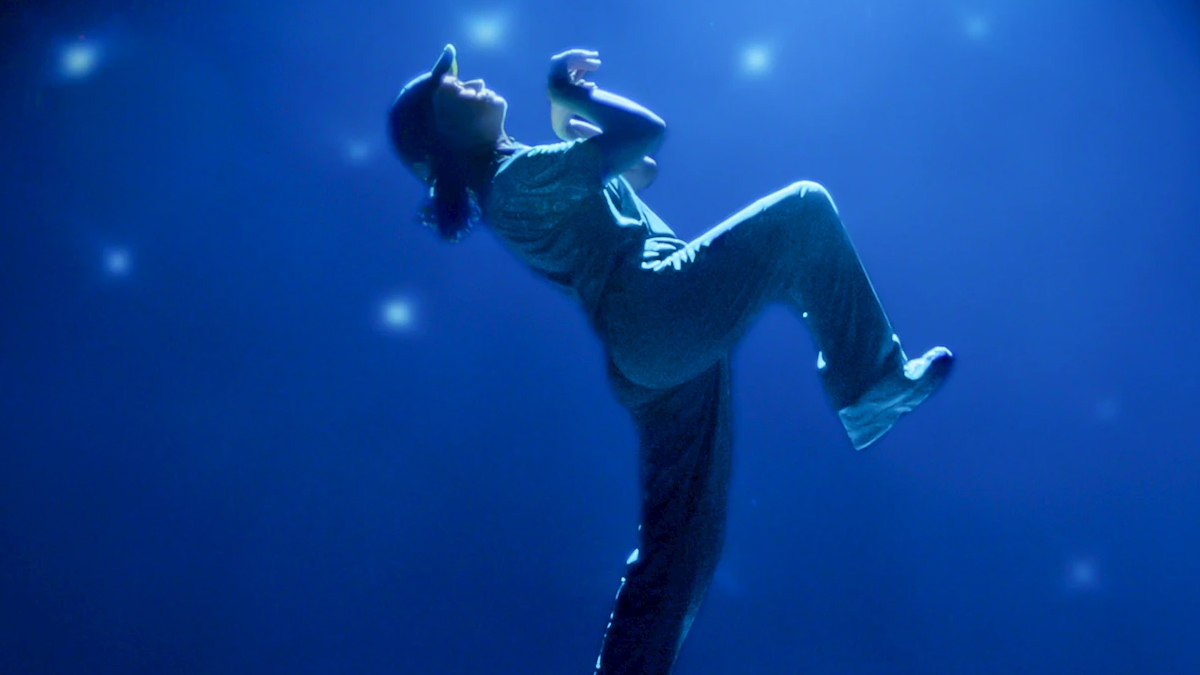
Picture Credit: Netflix
The latest entry in the Untold documentary series, Raygun: Breaking Badly, offers a new kind of story. The 72‑minute doc tells the tale of Olympian Dr. Rachael Gunn—the PhD‑holding breakdancer from Australia who became a viral sensation for her catastrophic shutout (an iconic 0‑point run) during the Paris 2024 Olympics. Some see her as a fearless force to be reckoned with; others view her as a farce and an embarrassment to her country. But now, after the land‑down‑under dancer went down under, she got to tell her story from her perspective. But what did the doc reveal that wasn’t already widely known about the kangaroo‑hopping, sprinkler‑spreading breakdancer?
She got into breakdancing through her husband, a Breakin' fan.
Gunn met her husband Sam Free (aka emcee Sammy Sex) in 2008. He was always enthralled by the ’80s movie Breakin’ and, like the protagonist Kelly, made breakdancing his entire personality. Unlike every other woman he dated, when Samuel showed Rachael his world, she didn’t run in the opposite direction. Instead, she fell in love with it—mostly because of its gender intersectionality.
Australia doesn't have much of a B‑girl scene.
Breakdancing was a niche activity among Aussies. In the doc, prominent Australian B‑girls Tinylocks and Flix discuss how it was a hobby among a select few, with many—including Gunn—having done it for over a decade. Flix expressed that she was at the end of her breaking career by the time of the Oceania qualifiers, after being in the scene for over 15 years.
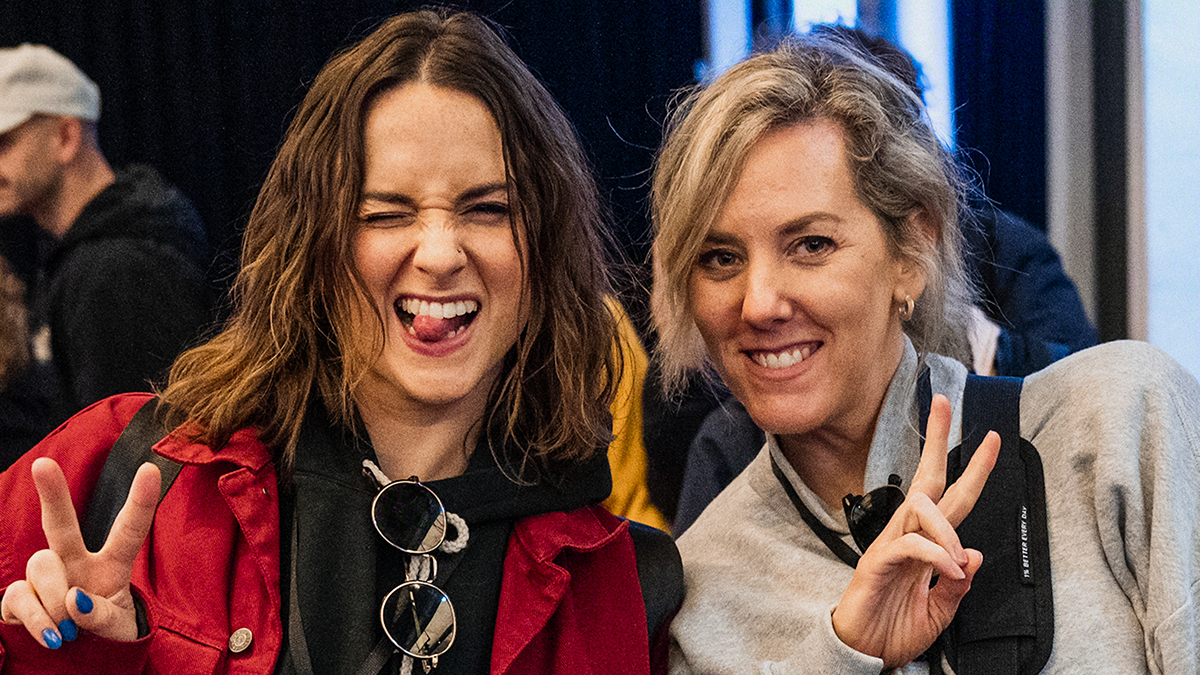
Untold Raygun: Breaking Badly. (L to R) Raygun and B-Girl Flix in Untold Raygun: Breaking Badly. Cr. Courtesy of Netflix © 2026
Gunn was the best on the day of the Oceania qualifier regionals.
Contrary to online misinformation, which alleged conspiracies that Sam Free’s involvement as a judge helped nepotism her way to the Olympics, Gunn won her competition fair and square. She was among 15 B‑girl competitors, and her performance and positive scores from the judges landed her a spot at the Olympics.
Rachael studied her competitors by going to other competitions—where she also lost.
When she won the qualifiers, Gunn had roughly 200 days to practice before the Olympics. Though she trained with her husband‑coach, she also competed in the Undisputed Masters, where she went up against 2024’s soon‑to‑be silver medalist, Nicka, for the first time—and lost in the preliminary rounds.
Gunn had limited training.
Rachael Gunn never had anyone in her orbit to train her moves other than Sam Free. Her head coach was supposedly Lowe Napalan, the Australian Breaking Association president. However, the doc reveals he barely trained her, working strictly on the administrative side. “I only was there assisting… a handful of times, I’m not too sure,” Napalan confessed. “Less than 10 lessons for sure.” Less than 10 across the 200 days she had left to train. Who actually coached Gunn? Her “yes-man,” enabling husband—who again had no proper training himself. She went everywhere except to a real breaking trainer.
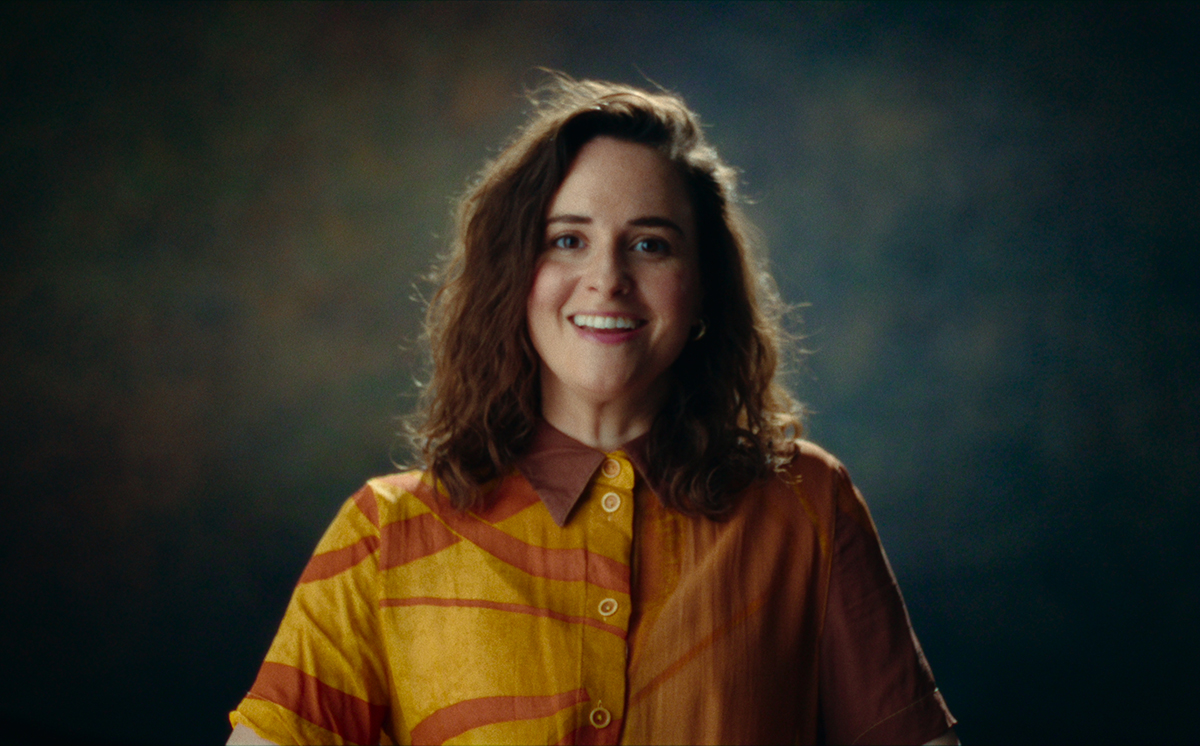
Untold Raygun: Breaking Badly. Raygun in Untold Raygun: Breaking Badly. Cr. Courtesy of Netflix © 2026
Enabled mediocrity by the Australian dance committee led to her humiliation.
Though she has a PhD in breakdancing, Gunn’s delve into the scene is like watching a gentrifier initiate themselves into Brooklyn without ever acknowledging the roots and culture that shaped its identity. The doc’s subject never addresses the architects of the street dance form, which originated in the Bronx during the ’70s—the only extent of its history being Sam’s love for Breakin’. Breaking was largely a science to her first, rather than a celebratory form of self‑expression rooted in African‑American and Puerto Rican culture. But because nobody in her close proximity offered anything but “easy props” or real helpful criticism, she operated on false confidence (despite her monster imposter syndrome), failing upward all the way to the Olympics. It’s a reflection on how easily mediocrity can be bred—and the limits it can take you, not only to the Olympics, but to a self‑serious Netflix doc about you.